You can’t build around water sensitivity. So build it in cheaply.
Every development in New Zealand now has to deal with stormwater rules, whether it's a single house or a forty-unit apartment block. Every council builds this into how it assesses new development. The question isn't whether you need to plan for it. It's how simply you can do it well.
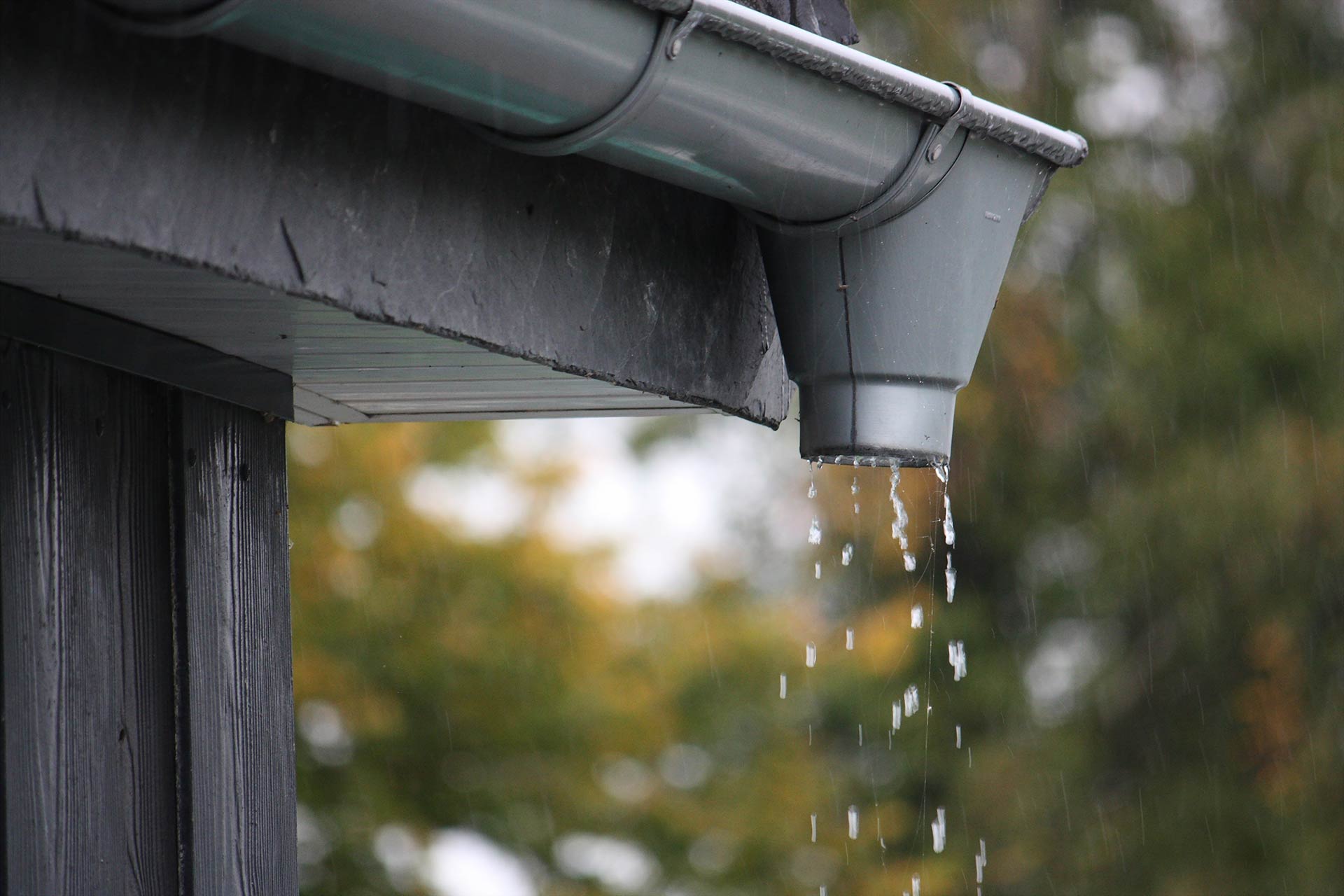
The idea is straightforward: manage rain where it falls, instead of rushing it into one big pipe. Small measures spread across a site, a water tank, a garden bed, paving that lets water soak through, slow the rain down before it reaches the council’s network. It isn’t a product you buy. It’s a way of designing a site, and it scales down to almost nothing on a small property.
Get it wrong, and it isn’t a fine you deal with later, it’s a delay in your consent. Wellington’s pipe network is also under real strain: only around one in ten stormwater pipes in the city can currently handle the size storm they’re meant to, so councils are leaning harder on individual sites to pick up the slack. There’s an upside too: a rain garden looks good on a property. A tank hidden under a car park doesn’t, even though both can meet the same rule.
The numbers back this up. Once about a tenth of a catchment is covered in hard surfaces, flooding and stream damage get noticeably worse. Planted ground lets roughly sixty times more water soak away than bare ground, so even one well-placed garden bed does real work.
What actually works depends on the site. A single house usually needs only a rainwater tank and a permeable driveway. A larger development can get away with permeable paths and one shared garden bed. Commercial sites do well with a tank for reuse alongside some street trees, and on a tight budget, a simple soak pit is often the cheapest option going.
Sort this out while a project’s still being designed, not after the car park’s already drawn up. The cheapest option that satisfies council is almost always available, but only if it’s chosen in time.
Have questions about what this means for your project? Get in touch.