The granny flat is exempt. The water connection is not.
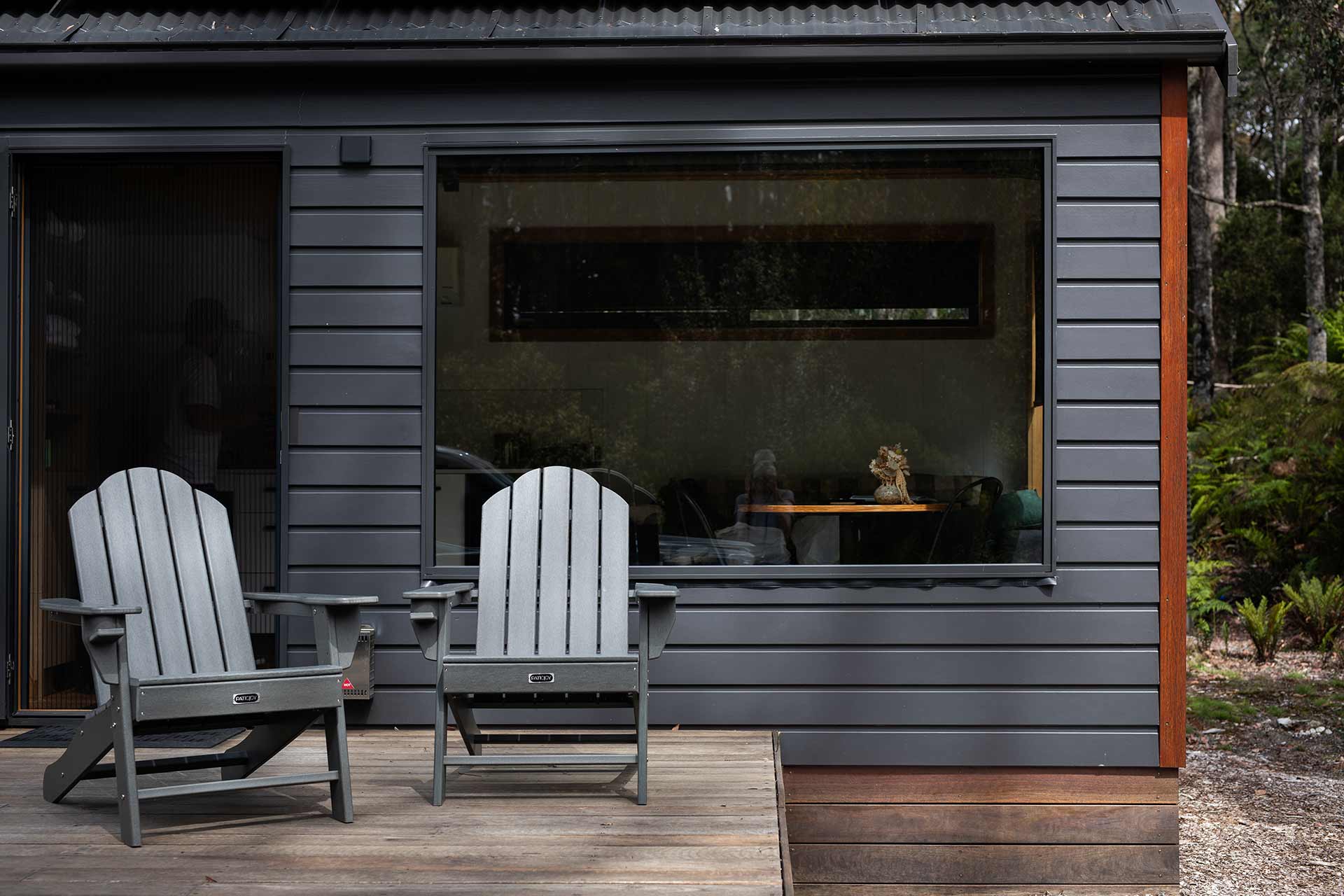
The granny flat exemption that came into effect in January 2026 is a genuine win for homeowners. Standalone dwellings up to 70 square metres can now go up without a building consent, provided they meet the exemption's design conditions and are built or supervised by licensed building professionals. There's a catch hiding in the small print, though, and it comes down to water.
Under the exemption, a granny flat still has to connect to existing network utility services where they’re available. In this region, that’s Tiaki Wai, and its Regional Standard for water services’ doesn’t allow any dispensation. Every dwelling needs its own water connection, even when it sits on the same title as the main house. That’s a real change from how things used to work. If you didn’t subdivide, you could once share a water pipe between the main house and a second dwelling. That workaround doesn’t exist anymore.
Building the granny flat itself doesn’t need council sign-off. Connecting it to water does. Getting connected means installing a new toby, and depending on location, a new meter, and a toby isn’t exempt. It needs its own building consent, which in practice usually means engineering approval and an as-built plan once the work’s done. The exemption removes the consent for the dwelling. It doesn’t remove it for the pipe that feeds it.
If you’re planning a granny flat, don’t assume “no consent required” covers everything. Budget time and cost for a separate water connection consent, and talk to Tiaki Wai early about toby and metering requirements for your site. Sorting this at the planning stage is what saves you from a delay once the build’s already underway.
Have questions about how this affects your project? Get in touch, we’re happy to talk through what the exemption does and doesn’t cover for your site. Need inspiration for your next minor dwelling? Email us & we’ll send you a copy of our designs under 70m2